

The complete guide
Princess Play Tent: A Buyer's Guide to Pop-Up Pretend Play
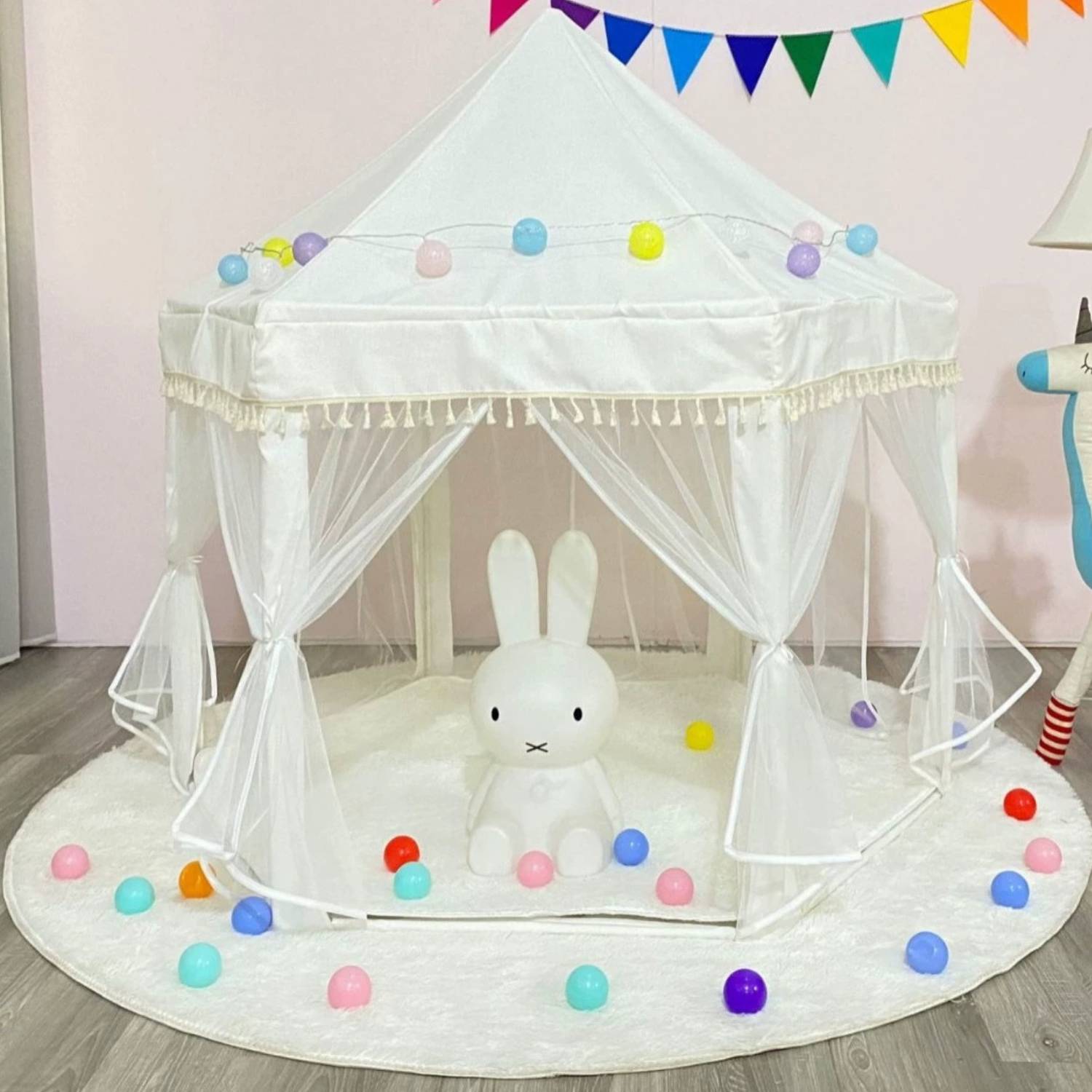
Some toys get played with once and forgotten. A princess play tent is not one of them. Give a child their own little castle and they come back to it again and again: to play pretend, to read, to hide away, to host a tea party. This guide covers what makes a good pop-up tent, how this one is set up, and how to keep it lasting.
Why a play tent is such good play
The best play for young children is open-ended, the kind where they make up the story. A play tent is a blank stage for exactly that. One day it is a castle, the next a cave, a shop, or a quiet den. Your child decides, and that imagining is doing real work for their development while they think they are just having fun.
It also gives them a space that is theirs. A small, enclosed den is comforting as well as exciting, which is why children retreat to one for calm time as readily as they charge into it for adventures.
Pops up in seconds
The practical appeal is how easy it is. There are no poles to thread and nothing to assemble. You take it out of its bag and it springs into shape, ready to play in straight away. For a parent, that is the difference between a tent that gets used and one that stays in the box because setting it up is a chore.
Folding it back down takes a small knack, the twist-into-a-flat-circle motion that all pop-ups use. The first couple of times can be fiddly, but once you have the movement it folds away in seconds.
Roomy enough to share
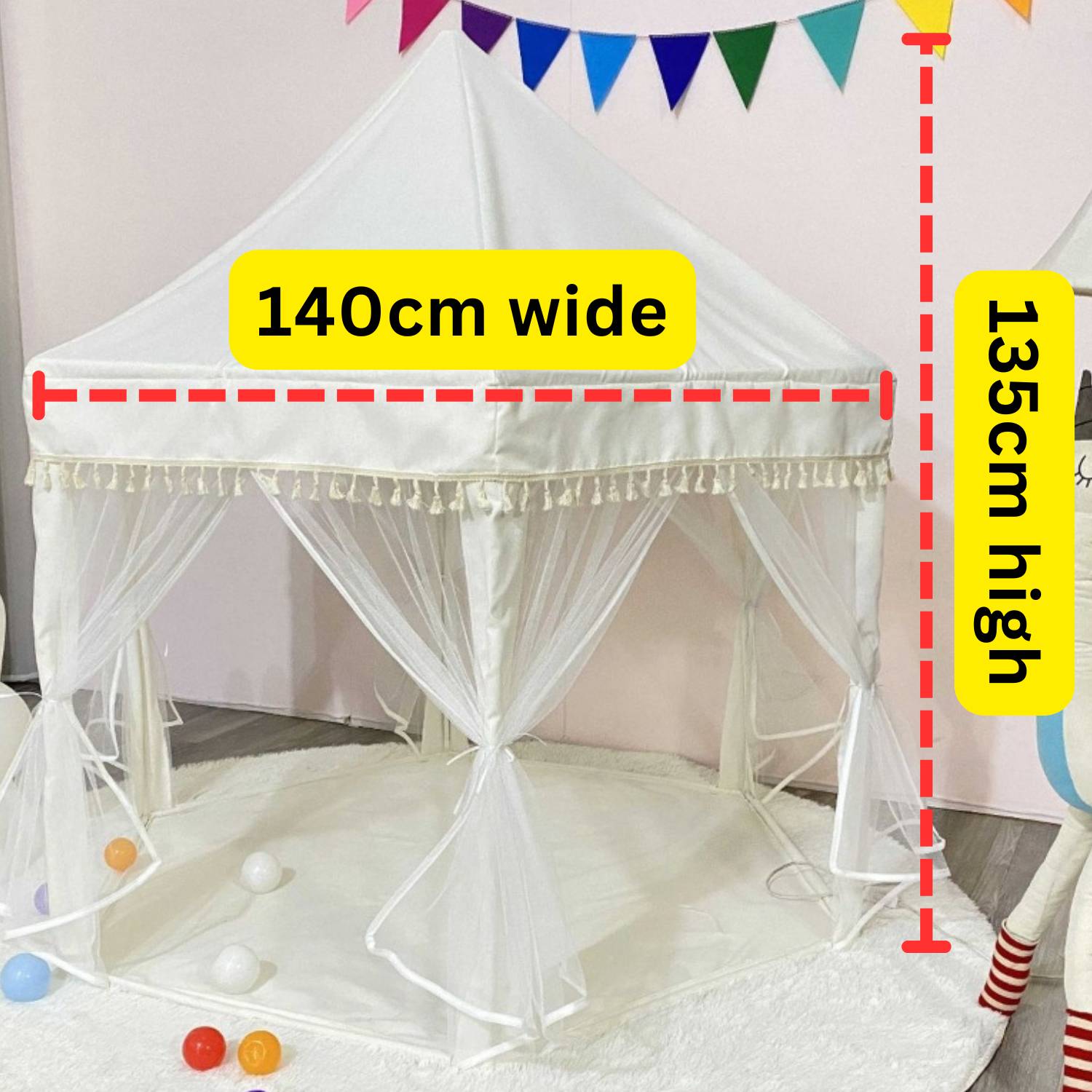
A lot of pop-up tents are cramped. This one is a generous hexagon, 140 cm across and 135 cm tall, so there is room for a child to sit up properly, spread out their toys, and even share with a friend or sibling. That space matters for how much they use it. A tent they can actually settle into beats a tight one they grow out of in a month.
Indoors or out
It suits both. Indoors, it makes a permanent little castle in a bedroom or playroom, somewhere your child heads to without being asked. Outdoors, it works in the garden on a dry day for pretend play in the fresh air.
Because it is a light play tent rather than a camping tent, keep outdoor use to dry ground and bring it in if the weather turns. On a breezy day it is better used indoors or weighed down and supervised, since a light pop-up can move in the wind.
Folds away and travels
When you want the space back, it twists down flat and tucks into its bag. At around 3 kg it is light, so it also travels easily to grandparents' houses and on holiday. That makes it as useful for a child who splits time between two homes as it is for one bedroom.
Looking after it
It is easy to keep nice. Spot-clean the fabric with a damp cloth and a little mild soap, and let it dry fully before you fold it down, since packing it away damp can leave a musty smell. Fold it gently rather than forcing it, store it flat and out of direct sun, and the colours stay bright and the frame stays springy. Treated this way it lasts for years of play.
A few honest notes
It is a play tent, not a sleeping tent, so keep it for daytime pretend play and use proper sleep equipment for naps and bedtime. It is light by design, so it is not made to be climbed on or pulled down, and rough play can push it out of shape, which means younger children are best supervised. Check the product details for the recommended age, exact colour and material, since those vary by item.
The short version
A princess play tent gives your child a castle of their own that pops up in seconds and folds flat just as fast. The roomy hexagon shape fits one child to spread out or two to share, it works indoors and in the garden, and it travels easily. Keep it clean, fold it gently, store it dry, and it becomes the toy your child returns to day after day.