
Latex Pillow Co.
Company
Shop By Category
T&Cs
Shop Online

Kids Telescope | Space Telescope for Kids | Astronomical Telescope for Children

Bring the night sky closer with a kids telescope built for young stargazers to use on their own.

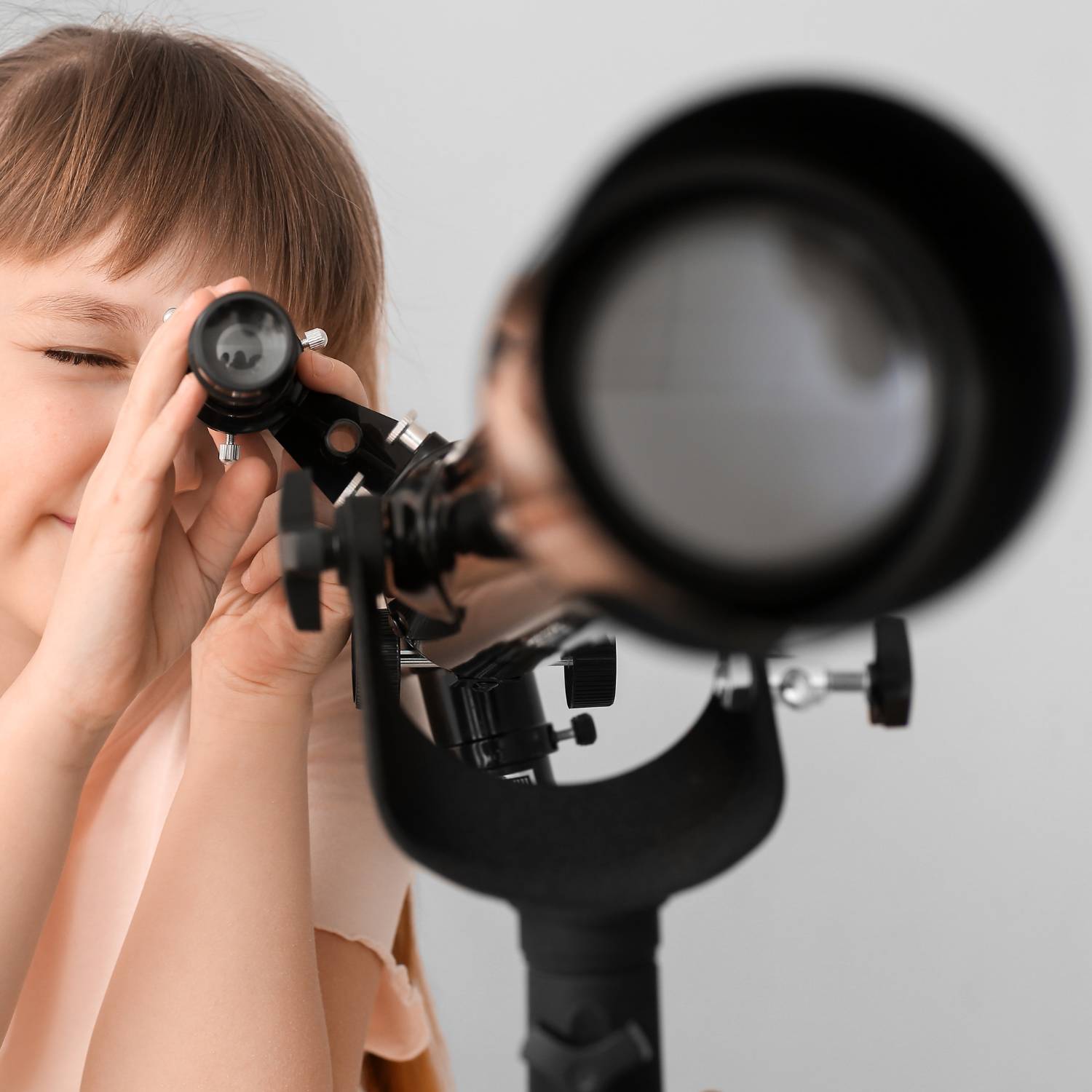
A real beginner astronomical telescope with 18x and 90x eyepieces, a 50mm lens and a 360mm focal length, sized and set up for children to explore the moon and stars.

£79 £69 inc. VAT
Save £10
Fast, FREE delivery across the UK on all orders £90 or more (save £20). Orders under £90 pay a flat £20 delivery.

A real beginner telescope for children, set up to bring the moon and night sky within reach.

Price MatchWe want to win your business
Fast RefundOn any undelivered items
Free ShippingMinimum spend required
15 Day ReturnsHassle free returns & refunds
Buy direct online
See the Moon Up CloseReal views of craters and the night sky
Two Eyepieces18x for finding, 90x for a closer look
50mm Objective LensGathers light for clearer views
Light and PortableSmall enough for a child to carry and set up
Kids Telescope dimensions and specifications

Kids Telescope

A real beginner telescope for children, set up to bring the moon and night sky within reach.

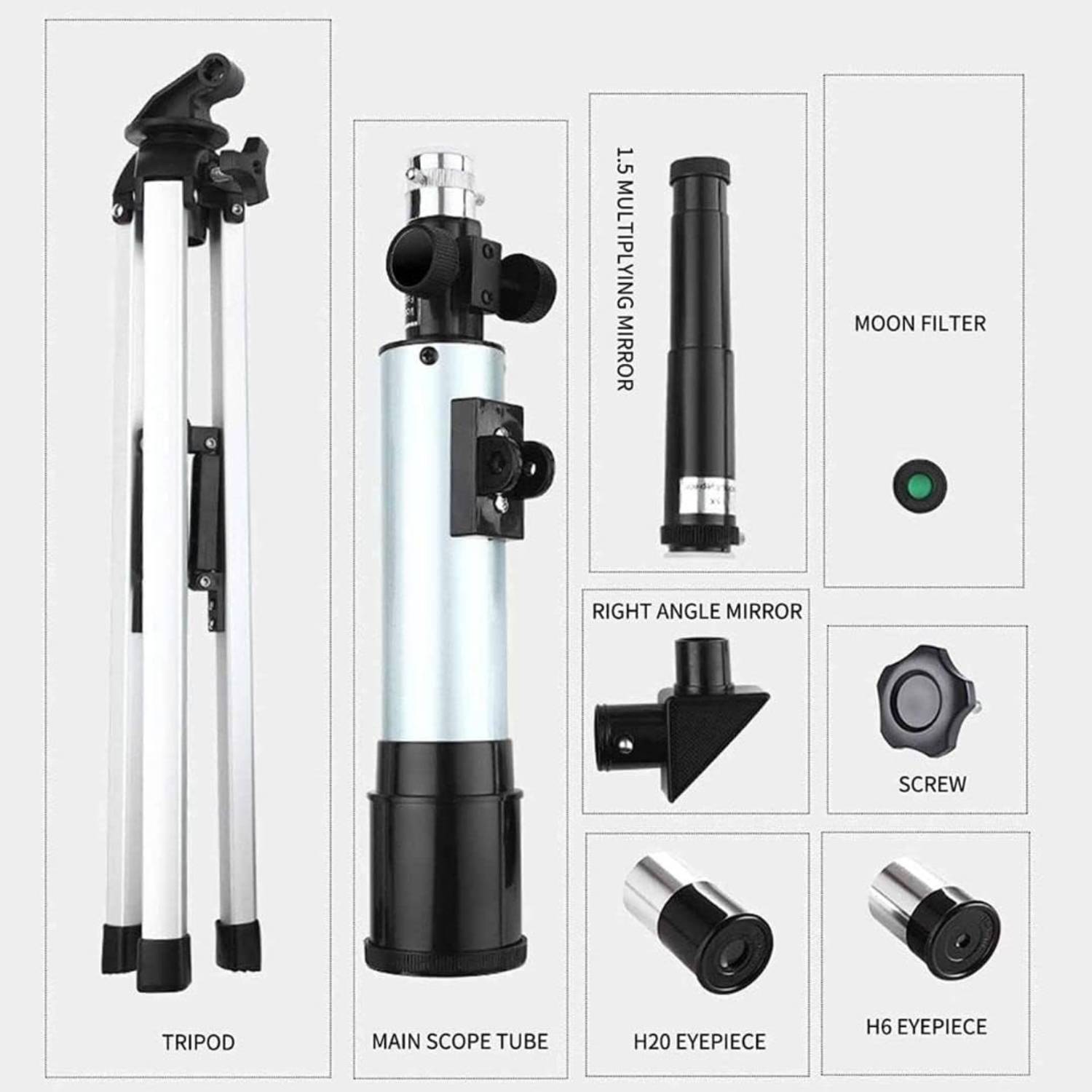
It comes with two eyepieces, 18x for finding your target and 90x for a closer look, with a 360mm focal length and a 50mm objective lens.

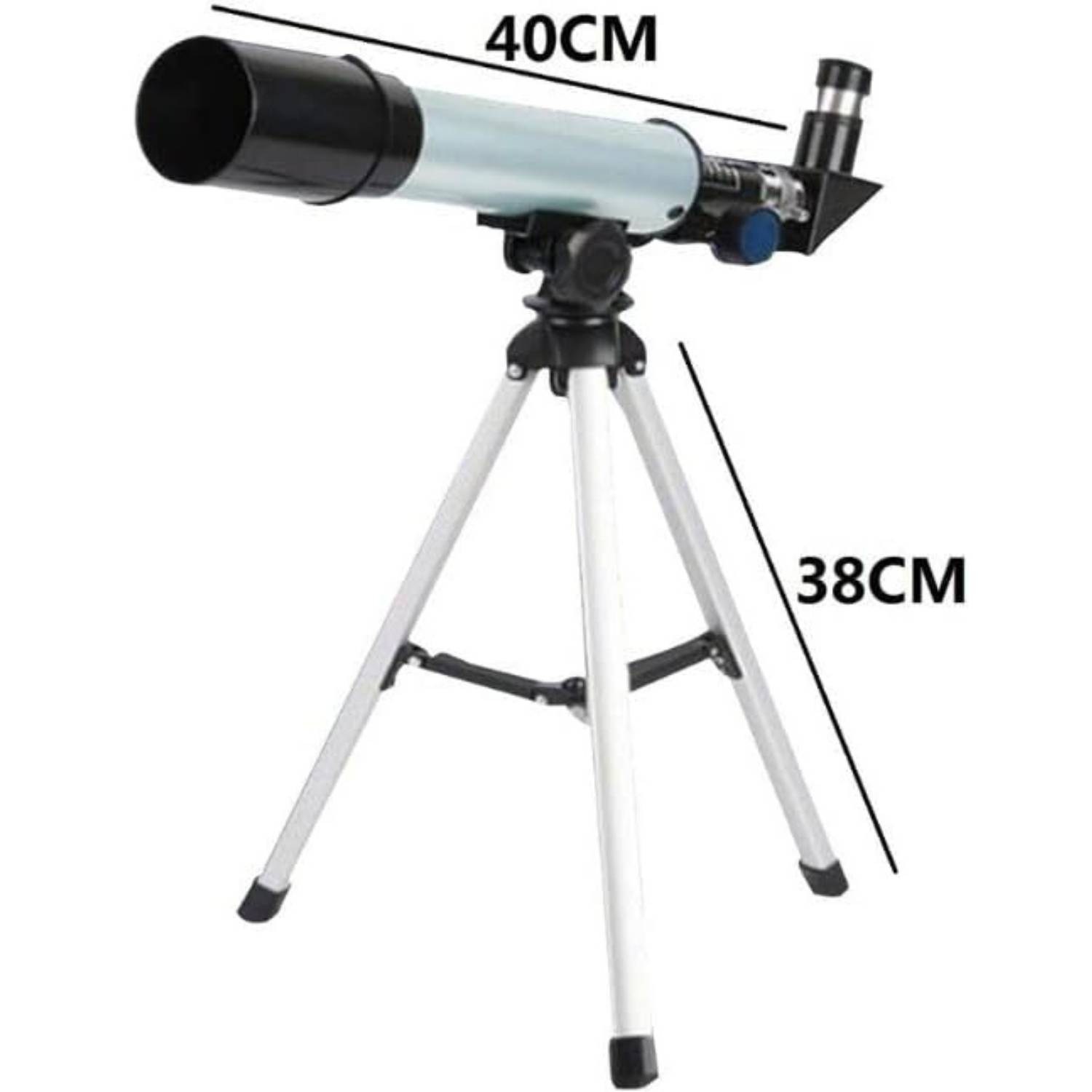
At 40 cm long it is light and portable, small enough for a child to carry to the garden and set up themselves.

It is a genuine astronomical telescope rather than a toy, so the views keep a child interested instead of disappointing them.

It is the kind of gift that sparks a real interest in space, science and the night sky.

Specifications

Eyepieces18x and 90x magnification
Focal length360 mm
Objective lens50 mm diameter
Optical system3.2 cm
Length40 cm
Height38 cm
Weight2 kg

Frequently Asked Questions

What is this kids telescope?

It is a real beginner astronomical telescope set up for children. As a space telescope for kids it brings the moon and night sky within reach, with two eyepieces so a child can find a target and then zoom in.

What can my child see with it?

The moon and its craters are the most rewarding first sight, and a child can also sweep the night sky for stars. As a kids stargazing telescope it shows far more than the naked eye, which is what makes it so exciting.

How powerful is it?

It comes with two eyepieces giving 18x and 90x magnification. The 18x is for finding your target with a wider view, and the 90x zooms in closer, which is exactly the range a beginner telescope needs.

Why does it have two eyepieces?

Starting wide makes a telescope much easier to use. You find your target at 18x, then switch to the 90x eyepiece to zoom in. That two-step approach is the trick that stops a junior telescope being frustrating.

What age is it for?

It suits curious children of school age and up who want a real telescope. The exact recommended age is not listed here, so check the product details, and a younger child will enjoy it most with a bit of help at first.

Is it a real telescope or a toy?

It is a genuine astronomical telescope set up for beginners, not a toy. As an educational telescope it gives real views, which is why children stay interested instead of losing the novelty in a day.

Is it easy for a child to use on their own?

At 40 cm long it is light and portable, so a child can carry it to the garden and set it up themselves. Finding a target takes a little practice, so help them at first, then they can manage on their own.

What is the objective lens size?

The objective lens is 50 mm across, with a 360mm focal length and a 3.2cm optical system. The lens is what gathers light, so a larger one gives a brighter, clearer view, which helps on the moon and stars.

Does it come with a tripod or stand?

Tripod and mount details are not listed in this record, so check the product listing for this item. A steady support makes a big difference, since holding any telescope by hand makes the view wobble.

Can it see planets?

The moon is the easiest and most rewarding target for a beginner telescope, and brighter objects in the sky may show as small points. For detailed planet views you need more power, so set expectations around the moon and stars.

Is it good for learning about space?

Yes. Seeing the moon and stars for themselves brings astronomy to life far more than a picture in a book, which makes this a great child astronomy set for sparking real curiosity about space.

How do I help my child find the moon?

Start with the 18x eyepiece for a wider view, point the telescope at the moon, and adjust slowly until it appears, then focus. Once it is in view, switch to the 90x eyepiece to see the craters closer.

Does it need batteries?

An optical telescope like this works with light from the sky rather than power. If this item includes any lit accessory such as a finder, check the product details, but the telescope itself does not need batteries to view.

Is it portable enough to take camping?

Yes. At 40 cm long and light, it is a portable telescope for kids that packs for camping trips and holidays, where dark skies away from city lights give the best views.

How do I look after the lenses?

Keep the lens caps on when it is not in use, and clean the lenses only with a soft, dry cloth made for optics. Avoid touching the glass with fingers, since marks and dust reduce how clear the view is.

Where is the best place to use it?

Somewhere dark, away from streetlights, with a clear view of the sky. A garden works, but darker spots away from city glow show far more stars. Let your eyes adjust to the dark for a few minutes first.

Why does the image look upside down or reversed?

Astronomical telescopes often show an inverted or reversed image, which does not matter for the moon and stars. It is normal, so do not worry if the view is not the right way up.

Can two children share it?

Yes. Children take turns at the eyepiece, and finding a target together is part of the fun. It makes a nice shared beginner astronomy kit for siblings or friends.

Is it suitable for a complete beginner?

Yes. It is set up for beginners, and the two eyepieces make it as easy as a telescope gets to use. A little practice finding targets is all it takes, and then a child is away.

How big is it?

It is about 40 cm long and 38 cm high, a real telescope size that still suits a child to handle. That makes it a proper kids astronomy telescope rather than a tiny novelty scope.

Can it be used in the daytime?

It is made for the night sky. Never point any telescope at or near the sun, as that can cause serious eye damage. Keep it for the moon, stars and night-time viewing.

Will the view wobble?

Any telescope wobbles if held by hand, so a steady support helps a lot. Rest it on a firm surface or use a stand if one is included, and move it slowly when you are lined up on a target.

Is it good value for a first telescope?

Yes. As a real beginner telescope with two eyepieces and proper optics, it gives genuine views for a fair price, which makes it one of the better children's telescope choices for starting out.

Does it come with instructions?

It is designed to be set up and used with instructions. For the format of the instructions for this item, check the product listing before buying.

Can it help with school astronomy?

Yes. As a learning telescope set it supports school astronomy and science, giving children hands-on experience of observing the sky to go with what they learn in class.

What should I do on a cloudy night?

A telescope needs a clear sky, so cloud will block the view. Wait for a clear night, and a night near a full or half moon is a great time to start, since the moon is easy to find and full of detail.

Is it sturdy?

It is a real optical instrument, so handle it with care, keep the caps on when stored, and avoid knocks and drops. Treated gently it lasts for years of stargazing.

Is it a good gift?

Yes. A real telescope that a child can use to see the moon for themselves is the kind of present that sparks lasting curiosity, which makes it one of the best space telescope kit gifts for a budding astronomer.

How do I store it?

Put the lens caps on, keep it somewhere dry and away from dust, and store any eyepieces safely. Looking after the optics is what keeps the views sharp over the years.

What if a part is missing or faulty?

Contact our team and we will help. Returns and warranty terms vary by country, so check the policy for your store, and get in touch before sending anything back so we can sort out the best fix.

Kids Telescope: A Buyer's Guide to a Child's First Stargazer

6 min read Latex Pillow Shop

There are few things as memorable as the first time a child sees the craters on the moon with their own eyes. A kids telescope gives them that moment, and it opens the night sky as something to explore rather than just glance at. This one is a real beginner astronomical telescope, set up so a child can use it, not a flimsy toy that disappoints on the first clear night. Here is what to look for and how to get the most from it.

A real telescope, set up for beginners

The most important thing is that it works. Many cheap telescopes are toys with poor optics that show a child nothing, and the interest dies on the first attempt. This is a genuine astronomical telescope, with proper optics scaled and set up for a beginner.

That makes all the difference to whether it gets used. When a child points it at the moon and actually sees craters, the curiosity catches fire. When they see nothing but a blur, the telescope goes in a cupboard. Real views are what keep a young stargazer coming back.

Two eyepieces make it usable

The feature that matters most for a child is the two eyepieces. The 18x eyepiece gives a wider view for finding your target, and the 90x eyepiece zooms in for a closer look once you have it in sight.

That two-step approach is the trick to using any telescope. Finding something in the sky at high power is hard, because the view is narrow and everything moves. Starting wide at 18x to locate the moon, then switching to 90x to study it, is what turns a frustrating scope into an easy one. It is exactly how a beginner should learn.

Optics that gather light

A telescope is really a light-gathering instrument, and the numbers here are made for clear beginner views. It has a 360mm focal length, a 50mm objective lens and a 3.2cm optical system. The objective lens is the part that collects light, so a 50mm lens gives a brighter, clearer image than the tiny lenses on toy scopes.

Good light-gathering shows most on the moon, where it brings out the craters and detail that make that first view so striking.

Light enough to carry alone

At 40 cm long it is light and portable, small enough for a child to carry out to the garden and set up themselves. That independence is worth more than it sounds. A telescope a child can manage on their own gets used on every clear night, while one that needs an adult to lug it out and set it up often does not.

It also makes a good travel companion. It packs for camping trips and holidays, where dark skies away from city lights give the best views of all.

Getting the best from it

A few simple habits make a big difference. Use it somewhere dark, away from streetlights, with a clear view of the sky, and let your eyes adjust to the dark for a few minutes first. Pick a clear night, ideally near a full or half moon, since the moon is the easiest and most rewarding first target.

Any telescope wobbles if held by hand, so rest it on a firm surface or use a stand if one is included, and move it slowly when you are lining up on a target. Set expectations around the moon and stars rather than detailed planets, since detailed planet views need far more power than any beginner scope.

One important safety rule: never point a telescope at or near the sun, as that can cause serious eye damage. This is a night-sky telescope, so keep it for the moon, the stars and night-time viewing.

Looking after the optics

The optics are what give the views, so look after them. Keep the lens caps on when the telescope is not in use, and clean the lenses only with a soft, dry cloth made for optics, never your fingers, since marks and dust reduce how clear the view is. Store it somewhere dry, handle it with care, and avoid knocks and drops. Treated gently, a telescope lasts for years.

Who it suits

It is for curious children of school age and up who are interested in space, science or just looking up at the night sky. It suits home stargazing, camping trips and school astronomy, and it works as both a child's own scope and a shared activity for siblings or a parent and child. A younger child will enjoy it most with a bit of help at first, then grow into using it alone.

Check the product details for the recommended age and whether a tripod or mount is included, since a steady support makes the views much easier to enjoy.

The short version

A kids telescope gives a child the moon and stars to explore for themselves. This one is a real beginner astronomical telescope with two eyepieces, 18x for finding and 90x for zooming in, a 50mm light-gathering lens, and a light, portable body a child can carry alone. Use it on a clear, dark night, start with the moon, never point it at the sun, and look after the lenses, and it becomes the gift that turns a glance at the night sky into a lasting love of it.

Browse all pillows

Ready to look up?

Tell us your child's age and how dark your skies are, and we will help you decide if this telescope is the right first scope.

Ask us a question

Page summary

The Kids Telescope (SKU kids-telescope-kit) is a real beginner astronomical telescope for children. It comes with two eyepieces giving 18x and 90x magnification, a 360mm focal length, a 50mm objective lens and a 3.2cm optical system. It is about 40 cm long and 38 cm high, light and portable for a child to carry and set up. Best for: beginner astronomy and stargazing, viewing the moon and night sky, and curious children interested in space and science. Start with the 18x eyepiece to find a target, then switch to 90x to zoom in. Keep lens caps on when not in use and clean lenses only with an optics cloth. Tripod, mount and colour details not specified in this record; check the product listing.